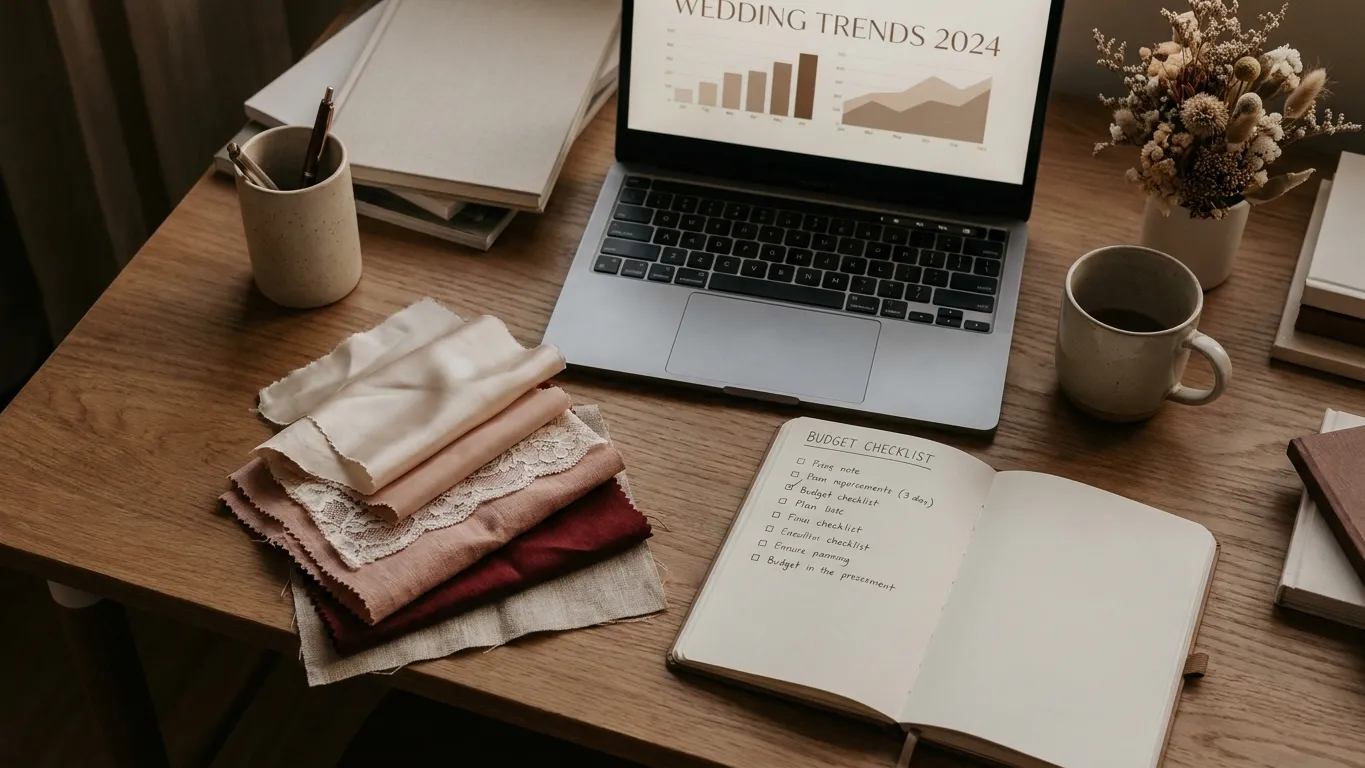
Most couples brace for wedding day nerves. Few brace for the six months before it, when decision fatigue, family pressure and a shrinking calendar quietly grind people down. Wedding mental health prep in Singapore means treating the planning period itself, not just the ceremony, as the thing that needs looking after.
That reframe matters because the planning window is where most of the damage actually happens. A wedding day lasts, at most, twelve hours. The lead-up lasts months, sometimes years, and it is during that stretch that sleep gets shorter, tempers get shorter, and couples start snapping at each other over seating charts.
Why Singapore Weddings Carry Extra Mental Load
Singapore's wedding culture layers a few pressures that couples elsewhere may not face in quite the same combination. Chinese, Malay and Indian customs each bring their own set of family expectations around dates, rituals and guest lists, and many couples are juggling more than one tradition at once. Singapore's cultural weight on filial piety and social harmony can turn an ordinary planning disagreement into something that feels much heavier, because couples often feel obligated to meet their parents' expectations on top of their own.
The practical stressors stack on top of that. Choosing a date that works around the lunar calendar, a caterer, a venue, and extended family schedules is already a juggling act. Add vendor coordination, budgeting in a city where wedding costs climb every year, and the paperwork side of things like the Registry of Marriages application, and it is easy to see why so many Singapore couples describe the engagement period as more draining than exciting.
The most expensive thing a wedding can cost a couple isn't the banquet. It's the six months of sleep and patience spent getting there.
Recognising Burnout Before It Recognises You

Wedding planning burnout does not usually arrive as a single bad day. It builds. The warning signs tend to be quiet at first: snapping at a partner over something small, dreading vendor emails instead of opening them, losing interest in decisions that used to feel exciting.
A useful way to think about it is decision overwhelm, a state where too many choices in a short window start producing anxiety and indecision rather than progress. Singapore couples juggling a banquet menu, a tea ceremony run-sheet, a gatecrash script and a photography timeline all at once are prime candidates for exactly this kind of overload.
Sleep is often the first casualty, and it is worth protecting deliberately. Lack of sleep can contribute to irritability, anxiety, and depression, and it disrupts the hormones that regulate stress response, which is precisely the wrong trade-off to be making in the months before a wedding.
Three Early Signs Worth Naming
- Vendor messages start feeling like a chore rather than progress. This usually means the couple is coordinating too many separate parties at once.
- Small disagreements with a partner escalate faster than they used to. This often signals accumulated, unspoken resentment about who is doing the mental labour of planning.
- Sleep has quietly shortened over several weeks. This is rarely about the wedding directly, it is about the brain refusing to switch off from an open list of unresolved decisions.
A Mental Health Prep Timeline for Singapore Couples

Spreading emotional load across the calendar, rather than letting it all land in the final six weeks, is one of the more effective things a couple can do. The table below is a general framework, not a rigid schedule.
| Stage | Timeline |
|---|---|
| Set a shared planning rhythm (weekly check-in, divided task list) | 9 to 12 months before |
| Lock vendors that reduce future touchpoints (an all-in-one package covers several decisions at once) | 6 to 9 months before |
| Submit the marriage application once venue and solemniser are firm | At least 21 days before, per marriage.gov.sg |
| Schedule a deliberate no-wedding-talk evening each week | 3 to 6 months before |
| Confirm run-sheets, buffer times, and who is handling day-of logistics | 4 to 6 weeks before |
| Build in a rest day immediately after the wedding | Day after the event |
According to marriage.gov.sg, couples are required to submit their marriage application at least 21 days before their intended solemnisation date, and the application then stays valid for six months. As of 2026, the Registry of Marriages is operating from an interim site at Level 3, Esplanade Mall while the original Canning Rise building undergoes redevelopment, so couples should check marriage.gov.sg for the current location before booking travel or arranging photography around the appointment.
Insider tip: weekday morning slots at the interim Registry site tend to move faster than weekend ones, since Saturday queues can stretch well past an hour when several ceremonies and administrative visits overlap. If a couple's stress is partly logistical, shifting the appointment to a quieter slot removes one entire source of anxiety before it starts.
Insider tip: the September to November monsoon window affects more than outdoor photoshoots. Couples doing a Sentosa garden ceremony or an East Coast Park shoot in those months should lock an indoor backup location early, rather than scrambling for one the week of the wedding. Having that decision made months in advance removes a genuine source of last-minute panic.
Reducing Decision Fatigue Through Vendor Choices

One underrated form of mental health prep is simply reducing the number of separate decisions a couple has to hold in their heads at once. Coordinating a hair and makeup artist, a separate photographer, a separate videographer, a gown rental house and a car decor vendor means juggling five sets of contracts, five sets of communication threads and five sets of potential scheduling conflicts.
This is part of why bundled formats have become popular in Singapore's wedding scene. Studios such as The Aurora Wedding offer combined photographer-and-videographer packages from around S$1,988 for actual day coverage, which folds two vendor relationships into one contract and one point of contact. For couples already stretched thin on decision-making bandwidth, cutting even two or three touchpoints out of the vendor list can measurably lighten the mental load of the final planning stretch.
This is not a claim that bundling solves stress entirely. It simply removes friction from one part of the equation, freeing up attention for the parts that genuinely need a couple's full presence, like family negotiations or the wedding vows themselves.
Practical Self-Care That Fits a Singapore Timeline
- Protect one evening a week where wedding talk is off-limits. Couples who never stop discussing the wedding start to resent the wedding itself before it happens.
- Split tasks by strength, not by default. One partner handling vendor logistics while the other handles family communication tends to work better than splitting everything down the middle.
- Batch decisions instead of trickling them out. Reviewing five vendor quotes in one sitting is less draining than reviewing one a day for five days, because it avoids reopening the same mental context repeatedly.
- Build a buffer into the wedding day timeline itself. ECP and CTE traffic on a Saturday afternoon, a longer-than-expected tea ceremony, or a late guest can all eat into a tightly scripted schedule and spike anxiety in the moment.
- Name a single point of contact for the day itself, whether that is a coordinator, a close friend, or a vendor's on-site lead, so decisions on the wedding day do not fall back on the couple.
When Stress Becomes Something More
Most pre-wedding stress is situational and eases once the planning workload lifts. But if a partner is experiencing persistent low mood, panic, or a loss of interest in the relationship itself rather than just the logistics, that is a different category of problem, and it deserves attention beyond a planning checklist. Singapore has a growing number of counselling services that work specifically with engaged couples, and speaking to one early is not an admission of failure, it is closer to preventive maintenance.
Couples who postpone that conversation until the week of the wedding, hoping the stress will simply resolve once the event is over, sometimes find the opposite happens: unresolved tension carries straight into the marriage.
Wedding mental health prep, in the end, is less about a single big intervention and more about a series of small structural choices made months in advance: fewer vendor touchpoints, protected evenings, an honest look at sleep, and a plan for the inevitable Saturday traffic on the way to the banquet.
The couples who look calmest on their wedding day are rarely the ones who had the fewest problems. They are usually the ones who dealt with the problems in March instead of the week before the wedding in September.