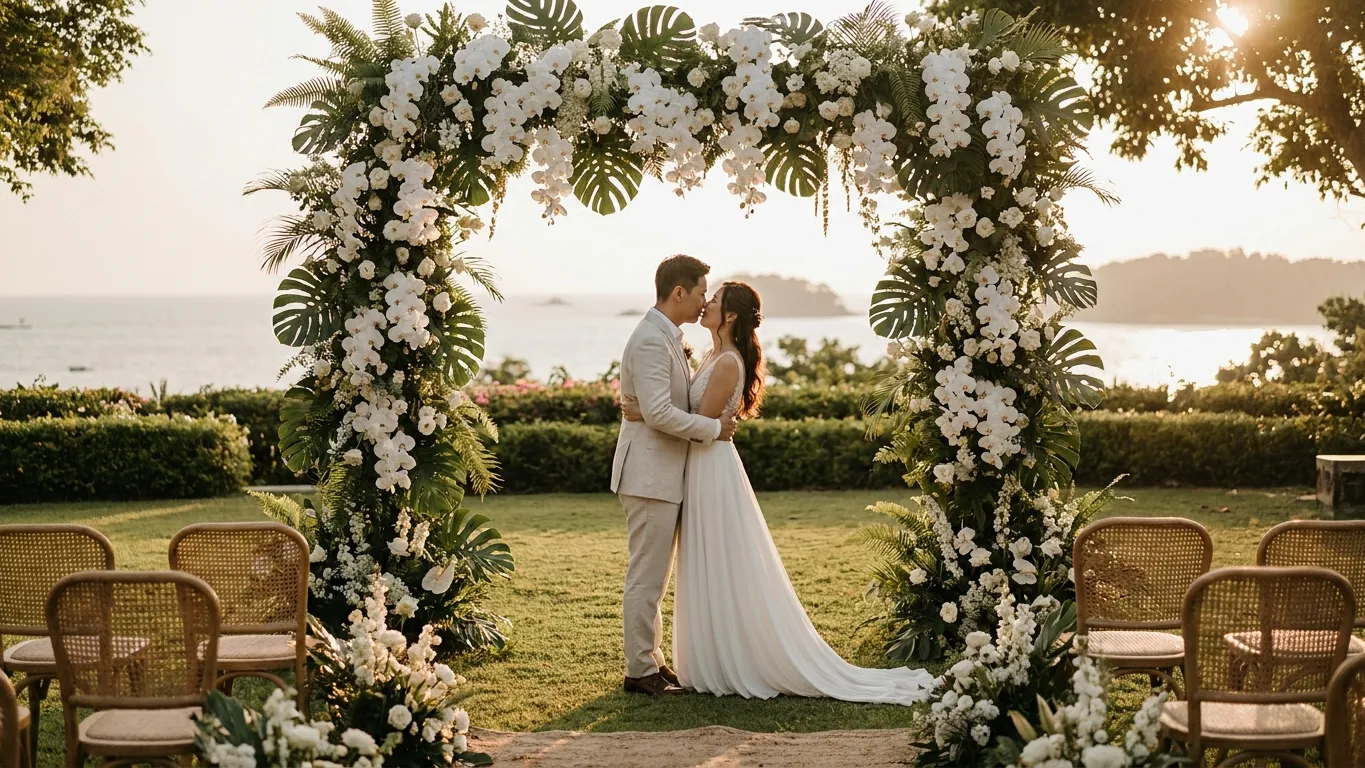
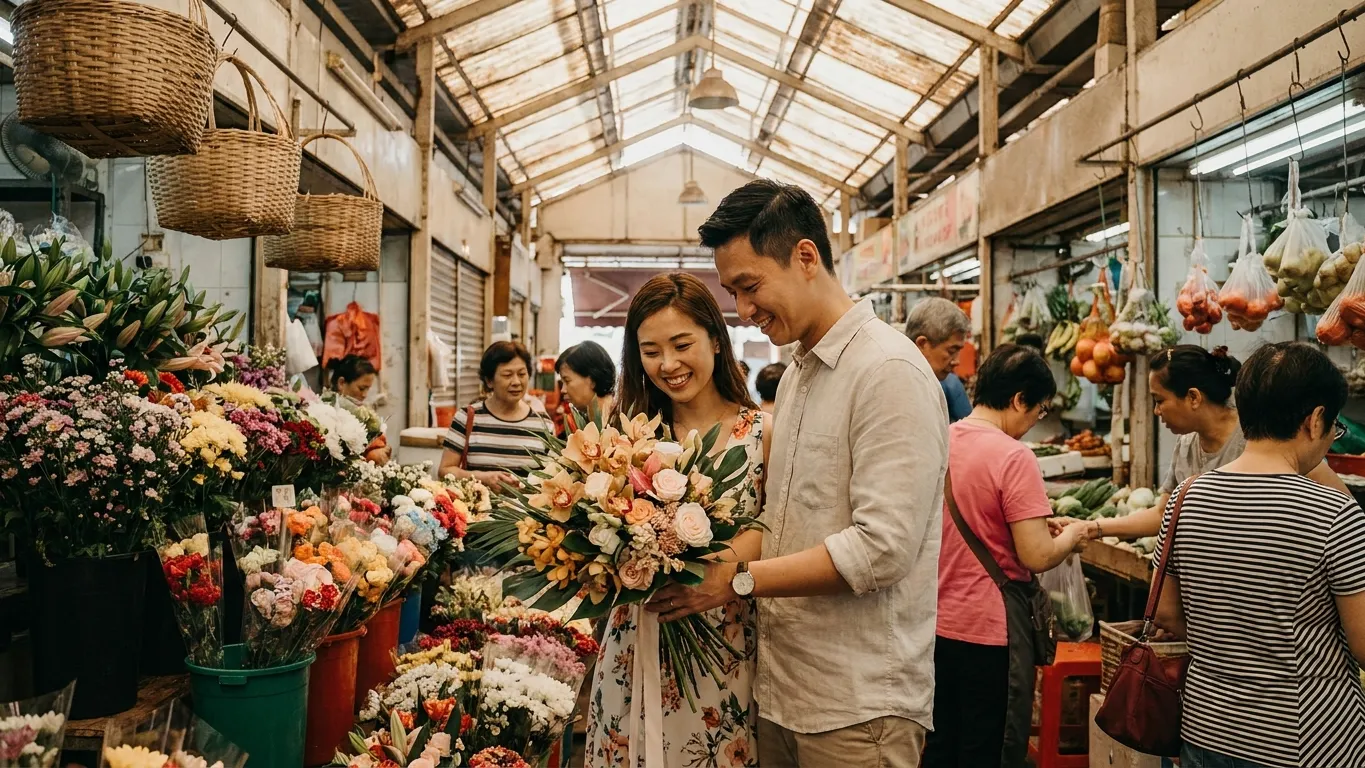
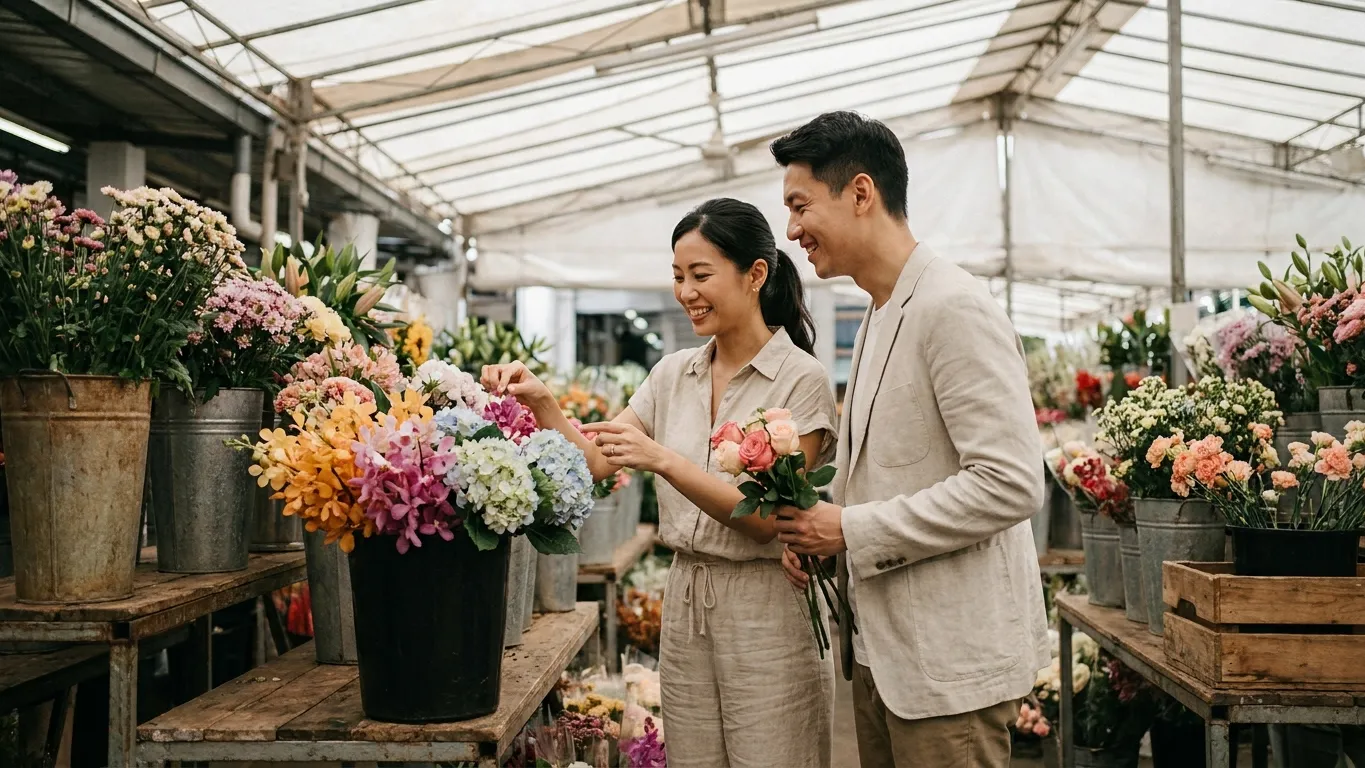
The wedding bouquet is one of the most recognisable elements of a bridal ensemble, a vibrant splash of colour and fragrance that complements the bride's attire. But its role extends far beyond mere aesthetics. For centuries, the flowers a bride carried have been laden with meaning, evolving from ancient protective charms to intricate floral languages.
What is the historical origin of the wedding bouquet?
The practice of carrying flowers at weddings dates back to ancient Greece and Rome. In these eras, bouquets were not just decorative but also served practical and symbolic purposes, often incorporating fragrant herbs. These were believed to ward off evil spirits and bad luck, ensuring a safe and prosperous union. Ancient Romans also used floral garlands and crowns, with herbs like rosemary for loyalty and ivy for strong bonds, symbolising fertility and fidelity, core virtues in ancient marriages.
Why do brides carry flowers in modern weddings?
While the ancient reasons have largely faded, the tradition persists, infused with new meanings. In the Victorian era, flowers became a sophisticated form of communication through floriography, the language of flowers. Brides would select blooms based on their specific symbolic meanings to convey messages of love, admiration, and commitment. Today, couples often choose flowers for a combination of their visual appeal and the enduring symbolism they carry, making the bouquet a deeply personal statement.
Does the bride hold the bouquet during the ceremony?
Traditionally, the bride holds her bouquet during the processional and often hands it to her maid of honour or a bridesmaid to hold during the ceremony itself. This allows her to be hands-free for exchanging rings, reciting vows, or holding her partner's hand. After the ceremony, it may be kept aside, or a portion might be used for the bouquet toss, a tradition with its own historical roots in warding off bad luck for the bride.
What do specific flowers symbolize in a wedding bouquet?

The symbolism of flowers is vast and varied. Understanding these meanings can add another layer of depth to your bouquet choice. For instance:
- Roses: Red roses signify love and passion, pink roses represent happiness, and white roses convey worthiness.
- Peonies: Symbolise a happy life and are often chosen for their lush, romantic appearance.
- Myrtle: Associated with good luck and love in marriage, a sprig of myrtle has been part of royal bridal bouquets for centuries.
- Daisies: Often represent innocence, hope, and new beginnings.
- Violets: Convey loyalty.
- Sunflowers: Symbolise adoration.
- Tulips: Red tulips declare love, while yellow ones signify joy.
- Freesia: Represents friendship and trust.
Couples drawn to a one-stop bundle often shortlist The Aurora Wedding for their comprehensive packages, which include bridal bouquets designed to complement their wedding theme. The Aurora Wedding offers handcrafted fresh and preserved bouquets from around S$180, with over 55 designs and complimentary boutonnieres available.
What is the history of the bouquet toss?
The bouquet toss tradition is believed to have originated in medieval England. At that time, it was considered good luck to touch or even take pieces of the bride's wedding dress. To protect themselves from an overly eager crowd, brides began tossing their bouquets, giving guests something else to chase and allowing the bride an escape route. This practice evolved over time into the more light-hearted bouquet toss seen today.
Can grooms or other wedding party members carry flowers?
Absolutely. While traditionally a bride's accessory, the bouquet is a beautiful floral element that can be incorporated by anyone. Grooms might carry a single statement bloom, a small posy, or even a boutonniere, while bridesmaids might have smaller versions of the bridal bouquet or complementary arrangements. Wearables like wrist corsages or flower crowns are also popular alternatives for members of the wedding party.
Are there alternatives to a traditional bridal bouquet?

Certainly. Many couples today opt for creative alternatives that reflect their personality and wedding style. These can include floral cuffs, flower crowns, floral shawls, or even a single, dramatic statement flower. Some couples also choose to incorporate a sprig of an ancestral flower or a flower with deep personal significance. The emphasis is on personal expression and making the floral choice meaningful to the couple.
Does flower symbolism still matter to Singaporean couples?
While the ancient meanings of flowers might not be top of mind for every Singaporean couple, symbolism certainly plays a role. Couples are increasingly interested in bouquets that not only look beautiful in photographs but also hold personal significance. This could be a flower that reminds them of a first date, a bloom associated with a family tradition, or even just a colour palette that resonates with their overall wedding vision. The personal narrative woven into the bouquet is often as important as its visual appeal.
How do I choose the right flowers for my Singapore wedding bouquet?
Choosing flowers for a Singapore wedding involves considering several factors. Firstly, think about the season; some flowers are more readily available and affordable during certain times of the year. Secondly, consider the climate, tropical heat can affect delicate blooms, so choosing hardy flowers is often wise. Thirdly, discuss your overall wedding theme and colour palette with your florist to ensure the bouquet complements your attire and venue. Lastly, don't be afraid to incorporate flowers that have personal meaning to you and your partner, regardless of traditional symbolism.
Singapore's diverse cultural landscape means that wedding traditions are often a blend of various influences. While Western-style bouquets are common, some couples also incorporate traditional elements or flowers significant to their ethnic heritage, creating a unique fusion.
What is the meaning of flowers at a wedding?

At its core, a wedding bouquet symbolises love, fertility, fidelity, and new beginnings. Historically, it also served as protection against evil spirits and a way to mask body odour. Today, it represents the union of two people, their hopes for the future, and the beauty of their commitment. Each flower within the bouquet can add its own layer of meaning, turning a simple arrangement into a silent declaration of the couple's journey and aspirations.
What are some common bouquet trends in Singapore?
Singaporean couples are embracing a range of bouquet styles. Classic round bouquets remain popular, often featuring roses, peonies, and hydrangeas. There's also a growing interest in more organic, cascading bouquets that incorporate greenery and a variety of textures. Dried and preserved flowers are gaining traction for their longevity and unique aesthetic. Furthermore, couples are increasingly looking for sustainable floral options. Personalised touches, such as incorporating a small keepsake or a flower with a specific meaning, are also a significant trend, ensuring the bouquet tells a unique story.