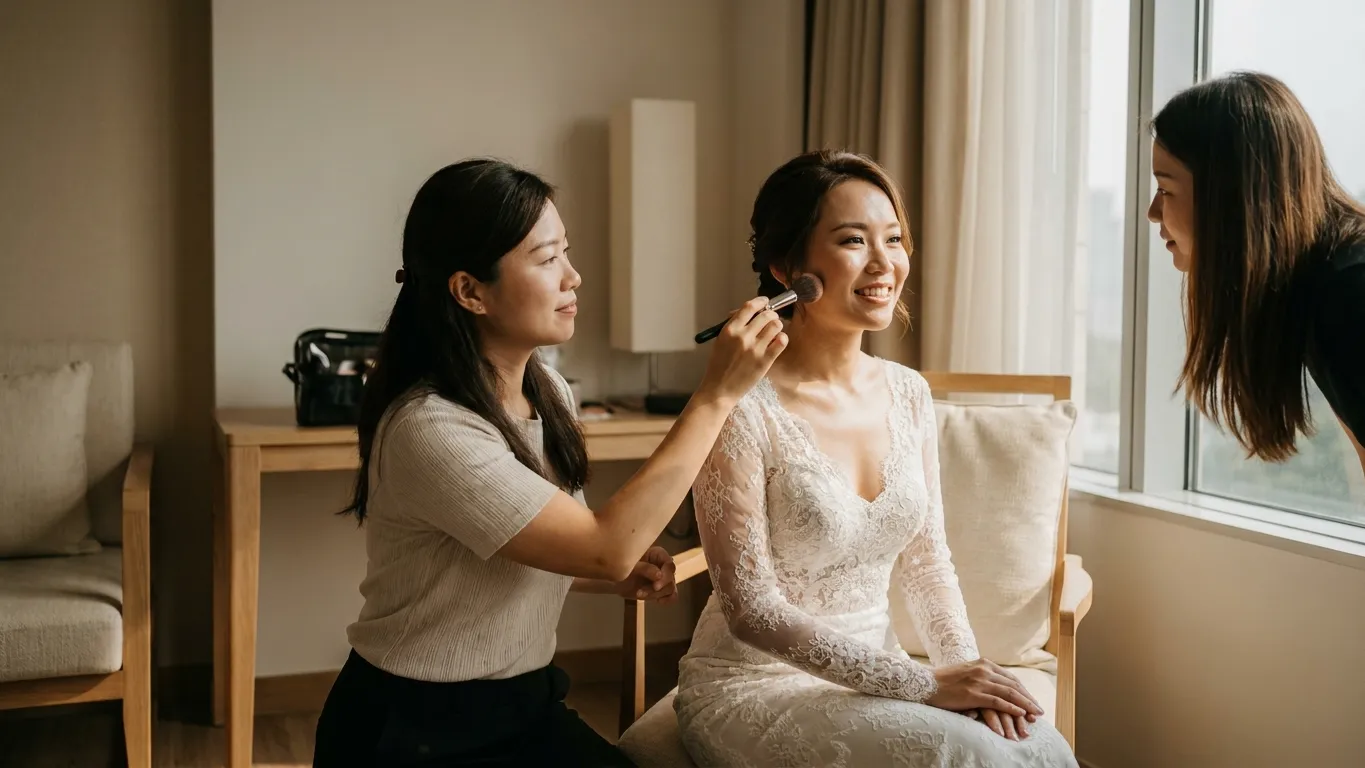
Bridal hair and makeup in Singapore typically costs between SGD 200 and SGD 1,500 depending on the occasion, number of looks, and the MUA's experience tier. A ROM or solemnisation session sits at the lower end; a full actual-day package covering gatecrash, tea ceremony, and dinner banquet sits considerably higher. The gap between those two figures is where most couples get surprised.
The most expensive hour of a Singapore wedding is the one brides didn't budget for: the second look change between afternoon tea ceremony and evening banquet.
What Bridal Hair and Makeup Actually Costs in Singapore
Prices in the local MUA market split fairly cleanly by occasion type. Based on rates published by multiple Singapore bridal directories and MUA studios in 2025 and 2026, the ranges below reflect what most experienced artists charge. Budget artists and celebrity-tier names sit outside these bands.
| Occasion | Typical SGD Range |
|---|---|
| ROM / Solemnisation (1 look) | 200 to 350 |
| pre-wedding photoshoot (1 look) | 200 to 400 |
| Actual Day - 1 look with trial | 350 to 580 |
| Actual Day - 2 looks with trial | 550 to 800 |
| Full Day (day + evening, multiple looks) | 800 to 1,500 |
| Director / Senior Specialist tier | 1,250 to 2,000 |
Daily Vanity's 2026 edition of Singapore bridal MUAs notes that "on average, a full bridal makeup and hairstyling package costs around S$800, while a single session (e.g. for ROM or a photoshoot) is about S$400." Those figures track closely with what SingaporeBrides and individual studio rate pages publish for 2025 to 2026.
For bridesmaids and the mothers of the couple, expect to add roughly SGD 100 to 180 per person for hair and makeup, often at a per-pax group rate when three or more are booked together.
What Drives the Price Up or Down
Experience Tier
Singapore MUAs typically self-classify as junior, leading, or senior/director. The price gap between junior and senior can be SGD 400 to 600 on the same package. Senior artists often carry editorial experience, work with luxury products, and command weekend premiums. A half-day package from a senior specialist at one well-known local studio runs from around SGD 900 to 1,450 depending on tier, while a full-day package from the same studio can reach SGD 1,250 to 2,000.
Number of Looks
Each complete makeup-and-hair change for the actual day takes roughly 2 to 2.5 hours for the first look. A hair change with makeup touch-up for a subsequent look takes 45 to 60 minutes. That time has a cost. Couples who want three distinct looks - think white gown for solemnisation, qipao for tea ceremony, evening gown for banquet - should price accordingly.
Early Morning Surcharges
This is the cost that catches Singapore brides off guard most often. Many MUAs charge a surcharge for start times before 7am. One well-documented rate structure lists an early morning surcharge of SGD 50 for arrival between 5.45am and 7.30am, rising to SGD 100 for 4.45am to 5.30am, SGD 150 for 3.45am to 4.30am, and SGD 250 for 3.30am and earlier. Chinese wedding gatecrash timings frequently push start times into those brackets. Factor this in before you finalise your budget.
Travel and Location
Most MUAs will travel to the bride's home or hotel. Travel is sometimes included in the package; sometimes it is charged as a transport fee. Off-island locations such as Sentosa typically attract an additional surcharge of around SGD 50 per trip. If your prep suite is at a Marina Bay hotel and the MUA is coming from Tampines, confirm whether transport is included before signing.
Trial Sessions
A makeup trial is almost always a separate cost if not bundled into the package. Standalone trial sessions typically run SGD 100 to 200 at most studios. Many actual-day packages already include one trial, but verify this in the contract. Skipping the trial is a risk on a 12-hour wedding day.
Three Ways Singapore Couples Book Bridal MUA Services
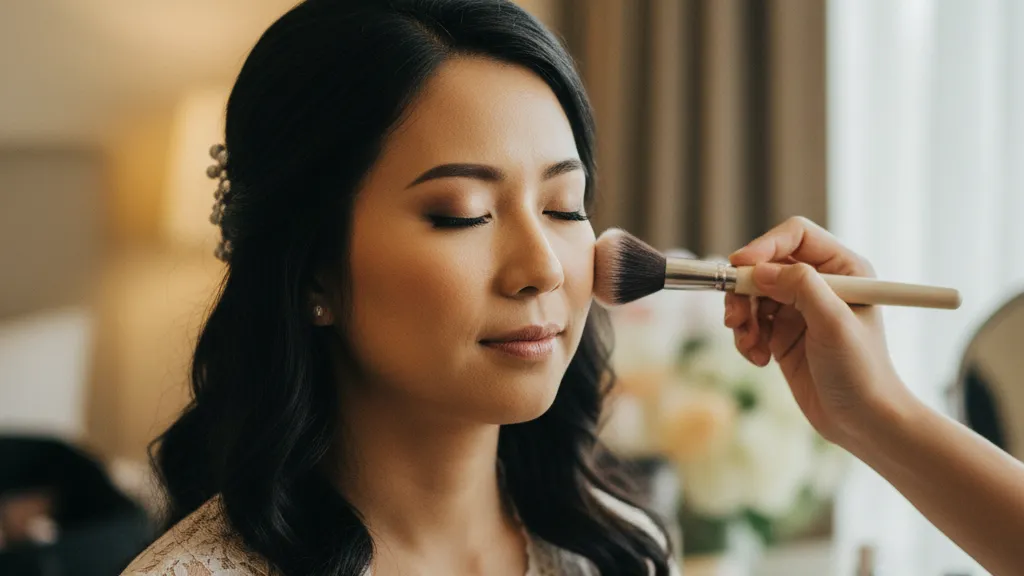
Understanding the market structure helps couples compare quotes fairly.
1. Freelance solo MUAs book directly through Instagram or WhatsApp. They often offer more personalised attention and style flexibility. Pricing tends to be mid-range. The couple handles all coordination.
2. MUA studios or teams operate a roster of artists at different price tiers. Useful when you need makeup for the full bridal party - bride, bridesmaids, mothers - without coordinating multiple freelancers. Rates are generally more structured and published.
3. All-in-one bridal studios bundle makeup and hair with gown rental, photography, and videography under a single contract. For couples who want fewer vendors to manage, studios such as The Aurora Wedding include experienced bridal makeup and hair artists as part of their packages, removing the need to source and brief a separate MUA. The trade-off is less individual customisation compared with booking a dedicated solo artist.
Insider Tips: What Most Reddit Threads Miss
Tip 1 - The qipao look costs more than brides expect. Many couples assume the qipao change during the tea ceremony is a quick hair swap. In practice, going from a Western bridal updo to a traditional pinned chignon for the Chinese tea ceremony is a full hairstyle change. Experienced MUAs will price this correctly. Less experienced ones may underquote and rush it.
Tip 2 - Weekend vs. weekday pricing is real. Some MUAs charge SGD 50 to 100 more for Saturday and Sunday bookings. If your actual day falls on a Saturday - which most Singapore wedding banquets do - you are automatically on the weekend rate. This is rarely highlighted upfront. Ask explicitly.
Tip 3 - Tropical heat sets a hard requirement. Singapore's humidity means setting products matter as much as the initial application. A good bridal MUA will use long-wear primers, waterproof products, and finishing sprays that hold up through an outdoor ROM at the Botanic Gardens and a 10pm banquet exit. Ask during enquiry what products are used for heat and humidity resistance. If they cannot answer specifically, that tells you something.
Tip 4 - Skin prep timeline affects the result. Most experienced artists will advise against facial treatments within 10 to 14 days of the wedding. A new facial or peel too close to the date can cause sensitivity or breakouts that even the best base cannot cover. Plan your last facial appointment accordingly.
A Practical Booking Timeline
| Stage | When |
|---|---|
| Research and shortlist MUAs | 9 to 12 months out |
| Review portfolios and enquire on rates | 8 to 9 months out |
| Book and pay deposit | 6 to 8 months out |
| Schedule trial session | 4 to 6 weeks before actual day |
| Confirm call time and logistics | 2 weeks before |
| Share final look references and gown details | 1 week before |
Popular MUAs in Singapore book out 6 to 12 months in advance, especially for Saturday dates and NDP weekend slots. Leaving it to 3 months out limits your shortlist considerably.
What to Check Before Signing a Contract
- Does the package include a trial, or is the trial priced separately?
- What is the early morning surcharge structure?
- Is travel / transport included or charged per trip?
- What happens if the MUA is ill on the actual day - who is the replacement?
- Are products cruelty-free or fragrance-free if you have skin sensitivities?
- What is the cancellation and rescheduling policy?
Those six questions, asked before any deposit changes hands, prevent most of the disputes that appear in Singapore wedding forums and Reddit threads.
Bundled vs. Standalone MUA: Which Is Better Value?
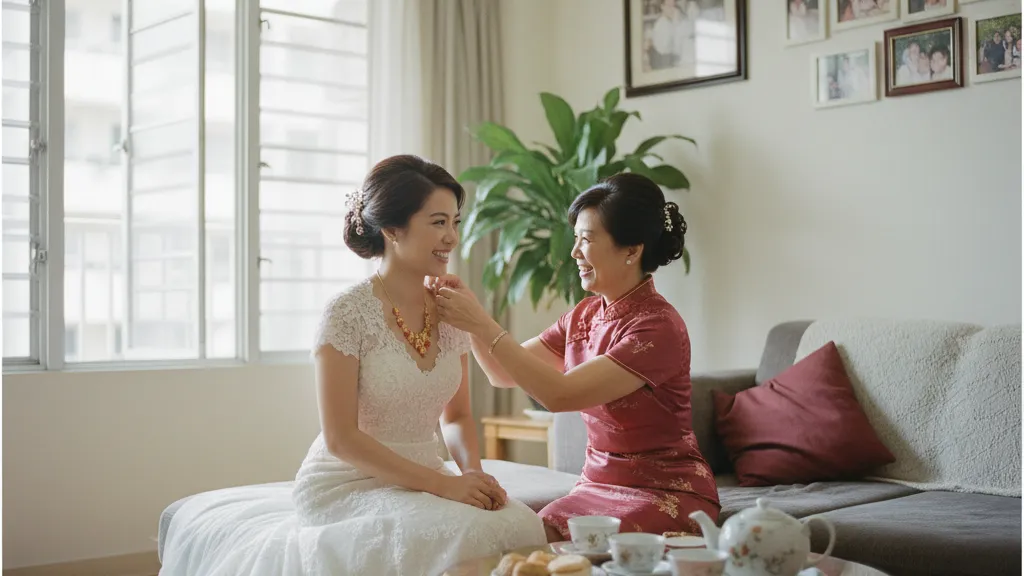
Neither is universally better. The honest answer depends on the couple's priorities.
A standalone freelance or studio MUA gives the bride full say over style, product choices, and the artist she builds rapport with at the trial. If having a specific editorial look or working with a particular artist matters deeply, standalone booking is the right call.
A bundled package under one bridal studio means fewer contracts, one point of contact for gown, makeup, photography, and videography, and pricing that is often more predictable. The pre-wedding photography and actual day photography are coordinated with the MUA's timeline from the start, which avoids the scheduling conflicts that arise when three or four vendors are sourced independently.
Couples who value simplicity over bespoke styling often find the bundled approach more practical, particularly when both partners are working full-time and have limited time to manage vendor communications across a 12-month planning window.